
Wet Gas Scrubbers for Cleaner Cement & Mineral Production
As environmental regulations tighten and the cement and mineral industry faces mounting pressure to cut its emissions footprint, plant operators are turning to proven, cost-effective retrofit solutions for their existing rotary kilns. Lechler wet gas scrubbers simultaneously cool hot kiln exhaust gases, remove harmful pollutants and return cleaned gas back into the process.
Kiln exhaust gases and why treatment matters
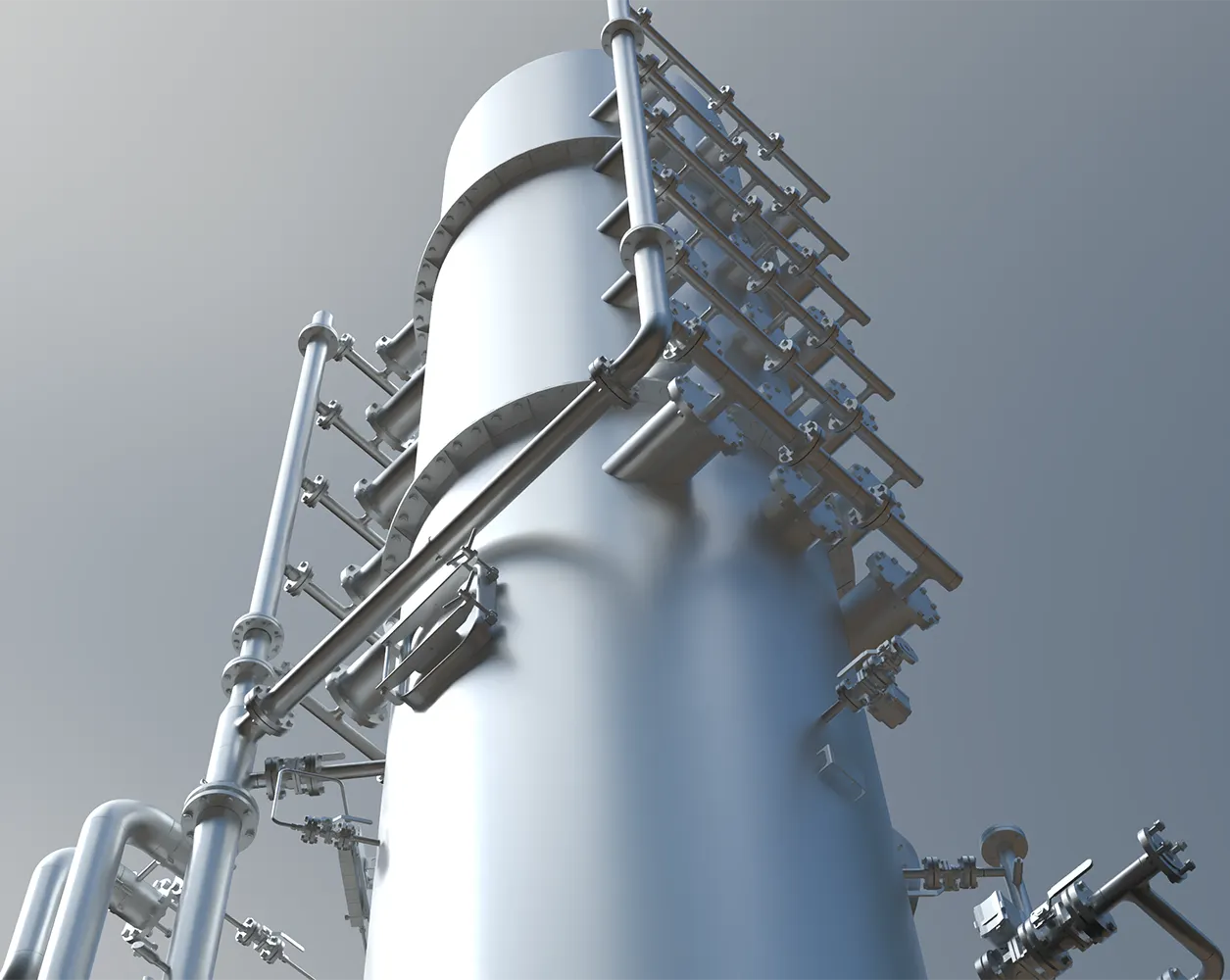
Rotary kilns in cement and mineral manufacturing generate large volumes of hot, heavily contaminated exhaust gases. Left untreated, these emissions harm the environment and pose a significant challenge for regulatory compliance — while still carrying valuable, recoverable heat energy.
-
Particulate & fume capture
Removal of particulate matter, heavy metals and fine sub-micron fume particles. -
Gas cooling & conditioning
Hot 250–400 °C kiln gas is quenched to saturation, protecting downstream equipment. -
Heat & material recovery
Cleaned gas returns to the kiln, recovering heat and enabling gypsum by-product recovery.
The Lechler absorption scrubber
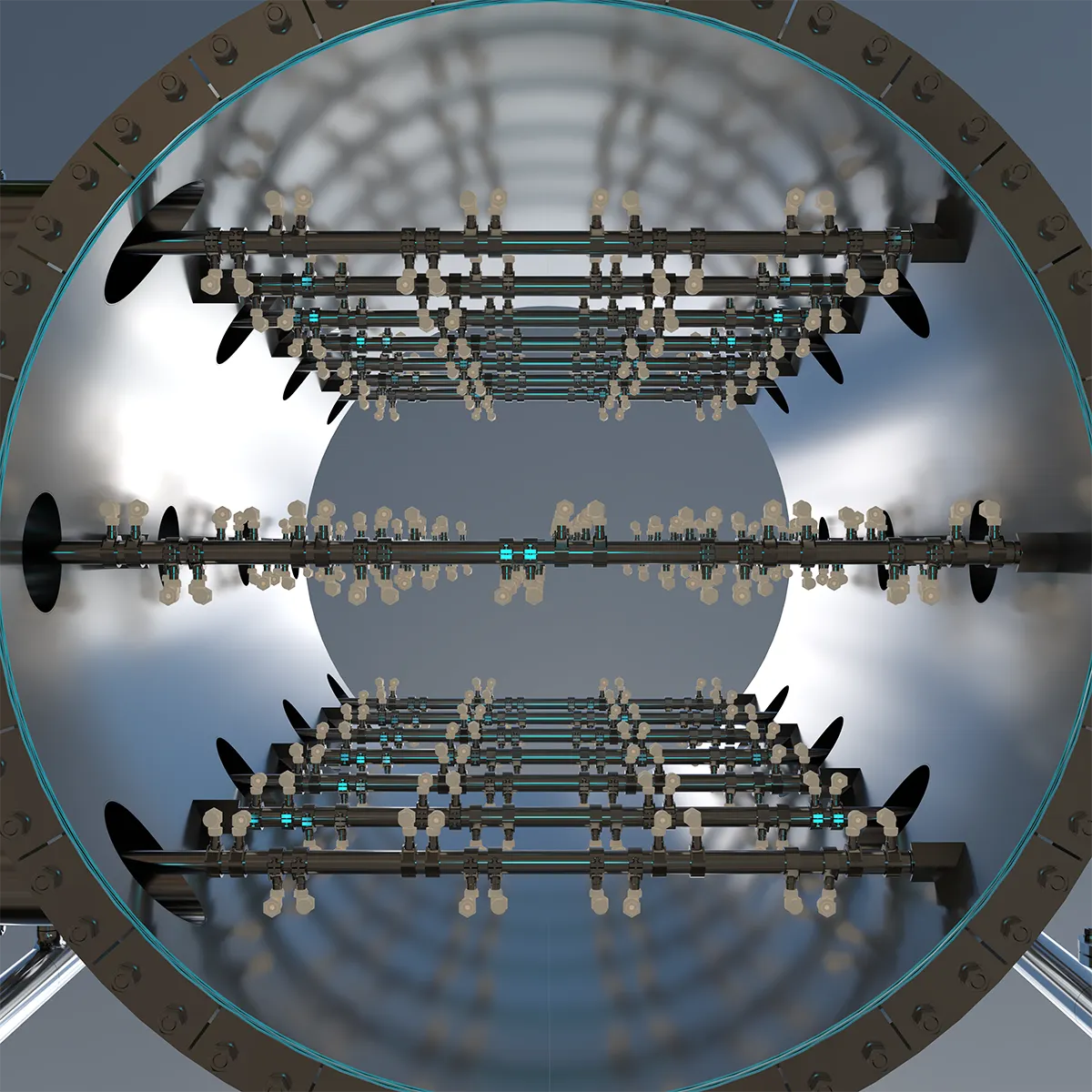
Lechler absorption scrubbers operate as a closed-loop system: absorption liquid is continuously recirculated from an integrated buffer tank to multiple fully removable spray lances across several vertical levels, creating an extended, highly effective gas–liquid contact zone.
Why tangential spray nozzles
-
Efficient, homogeneous atomization
Precision hydraulic atomizers swirl liquid into a fine spray with constant mass flow and uniform droplet distribution. -
Large, intensive contact surface
Fine droplets boost removal efficiency for both dust particles and gaseous contaminants. -
No untreated bypass
Uniform cone-shaped spray covers the full cross-section, preventing gas from bypassing the washing zone. -
Lower blockage risk
Larger free passage diameters than axial nozzles, ideal for recirculated liquids with suspended solids.
From hot fumes to clean, recirculated gas
Hot kiln exhaust gas — typically between 250 °C and 400 °C — is directed from the kiln outlet into the scrubber system and treated through a series of key process stages.
Quench stage
The gas is rapidly cooled by water injection to saturation temperature. This critical step protects downstream equipment from thermal damage and conditions the gas for efficient pollutant absorption.
Scrubbing stage
Cooled gas passes through the spray tower where fine droplets of absorption liquid are sprayed via precision nozzles. SO₂ and HCl react with an alkaline reagent (limestone slurry or hydrated lime), forming calcium sulphite/sulphate and calcium chloride salts.
Mist elimination
A downstream mist eliminator captures entrained liquid droplets, preventing carry-over into downstream ducting and ensuring a clean, dry gas stream.
Recirculation loop
Absorption liquid is continuously recirculated in a closed loop, with fresh reagent added and a blowdown stream extracted to manage solids. The extracted slurry is dewatered to recover gypsum or other by-products.
Gas return to kiln
The cleaned, cooled and conditioned gas — largely free of acid gases, particulates and volatile contaminants — is returned to the kiln, as secondary combustion air or into the preheater tower, recovering heat and reducing primary fuel demand.
Pollutant removal performance
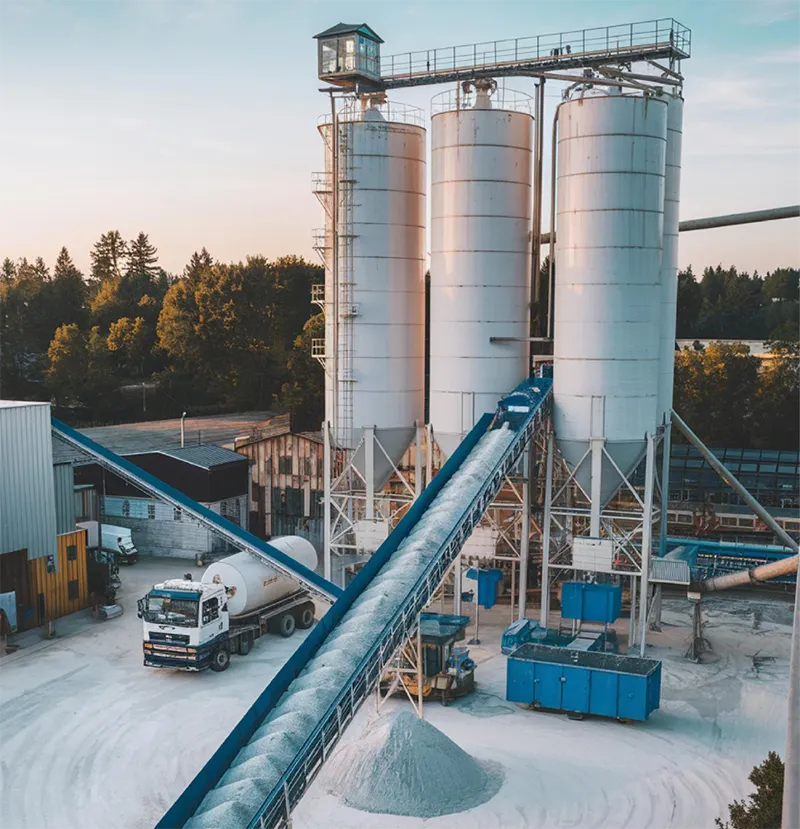
Modern wet scrubbers on cement and mineral kilns deliver impressive pollutant removal efficiencies, demonstrated across full-scale kiln applications.
-
SO₂ removal from 94 % to over 98 %
-
HCl and HF removal of approximately 98 %; acid gases up to 95–99.5 %
-
VOC reduction of around 70 %, with very low particulate outlet emissions
Note: wet scrubbers are not effective for NOₓ control (NO is only sparingly soluble) — dedicated abatement such as SNCR/SCR is required where NOₓ limits apply. Gaseous mercury and other volatile heavy metals are only partially captured and may need supplementary control such as activated-carbon injection.
Wet scrubber integration
Successful integration of a wet scrubber into an existing cement or mineral plant requires careful engineering across several dimensions, addressed holistically rather than sequentially.
Gas characterisation
Temperature, flow rate, pollutant profile and dust loading must be determined through representative measurement before sizing. The design envelope must cover both normal operation and foreseeable peak loads, since underestimating dust loading leads to nozzle fouling and premature degradation.
Footprint & plant integration
Space for scrubber towers, chemicals storage and pump skids must fit an existing layout. A 3D survey is strongly recommended before detailed engineering to assess ductwork routing, maintenance access and structural load paths early.
Material selection
Acidic gases combined with moisture and abrasive particulate create highly corrosive conditions. Shells use FRP, rubber-lined carbon steel or stainless steel; nozzles use corrosion- and abrasion-resistant alloys or ceramics, guided by a lifecycle-cost perspective.
Water & effluent balance
The recirculation loop generates an evolving slurry. Solids, chloride concentration and pH are monitored continuously, with a bleed-and-feed strategy maintaining liquid quality. Calcium-based slurry may be recovered as gypsum; the bleed stream is treated before discharge.
Energy recovery & pressure drop
Wet scrubbing cools and saturates the gas, imposing a system pressure drop and fan energy penalty. Returning scrubbed gas to the preheater recaptures residual heat, offsetting operating costs and simplifying stack sizing. Heat and mass balance modelling is recommended.
Regulatory compliance
The design must target verified removal efficiencies for all regulated species simultaneously — SO₂, HCl, HF, PM and heavy metals. Continuous emissions monitoring (CEMS) and early engagement with the permitting authority are essential parts of the project scope.
Safety considerations
Storage of alkaline reagents requires dust-control and PPE measures; recirculating slurry and acidic condensate present chemical-exposure hazards. Scrubber internals are a confined space, requiring confined-space entry, lockout/tagout and atmosphere monitoring.
Integration summary
Integration demands a multidisciplinary approach in which gas characterisation, spatial planning, materials, process chemistry, energy management and regulatory strategy are addressed in parallel. A thorough front-end engineering study reduces the risk of cost overruns and compliance failures.
Environmental & economic benefits
Beyond regulatory compliance, wet gas scrubber retrofits on existing kilns deliver tangible operational and environmental benefits that strengthen the overall business case for installation.
-
Dual pollutant control – particulate capture and acid gas removal in one process step
-
By-product valorisation – gypsum reused as a setting regulator; potassium sulphate as fertilizer
-
Elimination of solid waste – recycling treated CKD back to the kiln avoids landfilling
-
Extended kiln availability – protecting downstream equipment from corrosion and heat
-
Reduced visible emissions – dramatically lower stack opacity and a cleaner plume
Why partner with Lechler
The wet gas scrubber is one of the most proven, versatile technologies for bringing existing rotary kilns into compliance — without the cost and disruption of replacing core process equipment. Precision in nozzle design, reagent selection and system integration makes the difference.
-
Proven scrubbing technology for SO₂, HCl, HF, particulates and VOCs on kilns
-
Precision spray engineering with tangential nozzles tailored to each gas stream
-
Retrofit-friendly, integrated design combining gas cooling, absorption and material recovery
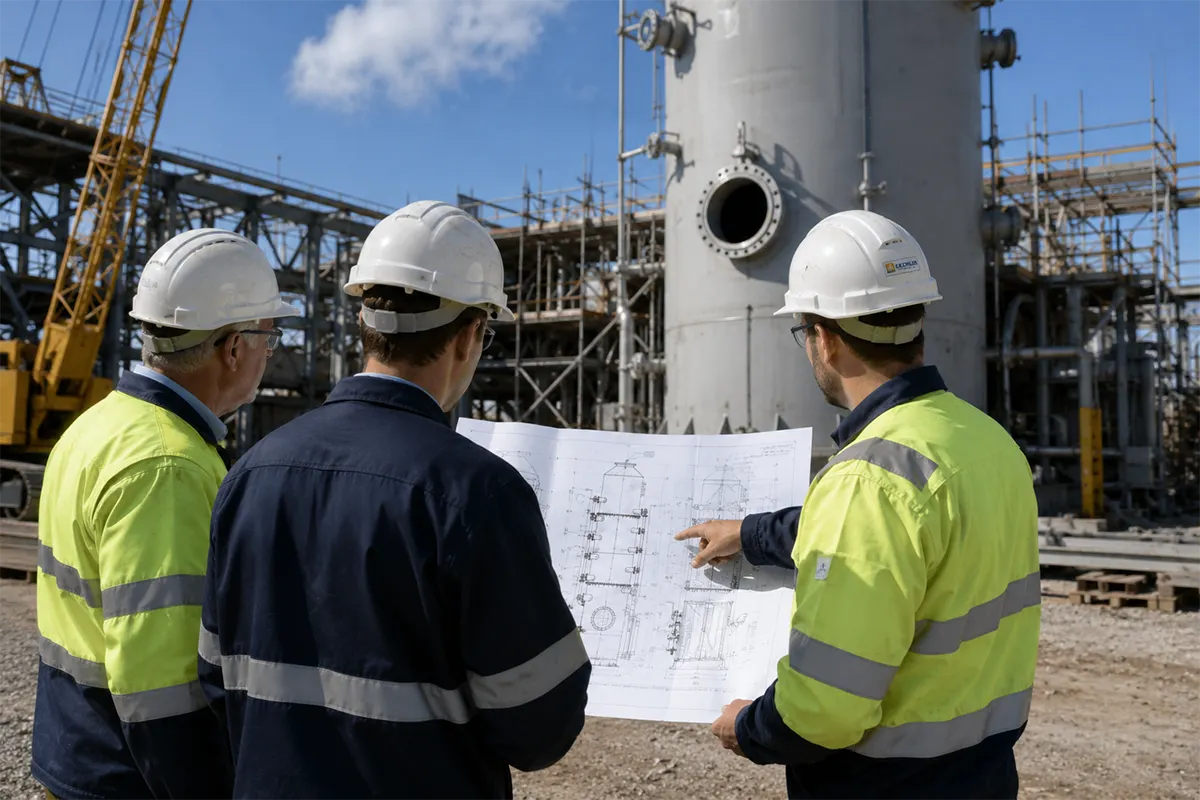
Discuss your kiln emission challenge with our specialist
Get targeted advice on cooling, acid gas removal and particulate control for your cement or mineral kiln.
Contact us