
Industries · Green Energy
Wet gas scrubbers for green energy
Ammonia, tar, H₂S and odor from biogas plants, gasification and bio-refining. Where possible, the scrubber turns a pollutant into a product.
- Ammonia recovered as ammonium sulfate
- Closed-loop stripping and scrubbing
- Syngas cleaned for engines and methanisation
From our projects
Processes and emissions from our green energy projects
From the project matrix of our completed installations.
| Process | Emissions | Process analysers |
|---|---|---|
| Bio-refinery | Volatile organic compounds | FID, PID |
| Biopetrol | Methanol | FID, PID |
| Syngas | Ammonia, Hydrogen cyanide gas, TAR | EC Sensor, FTIR, NDIR |
| Syngas | Formaldehyde, Hydrogen sulphide, Mercaptanes | FTIR |
References
Green energy installations we built
Biogas, ammonia recovery and gasification.
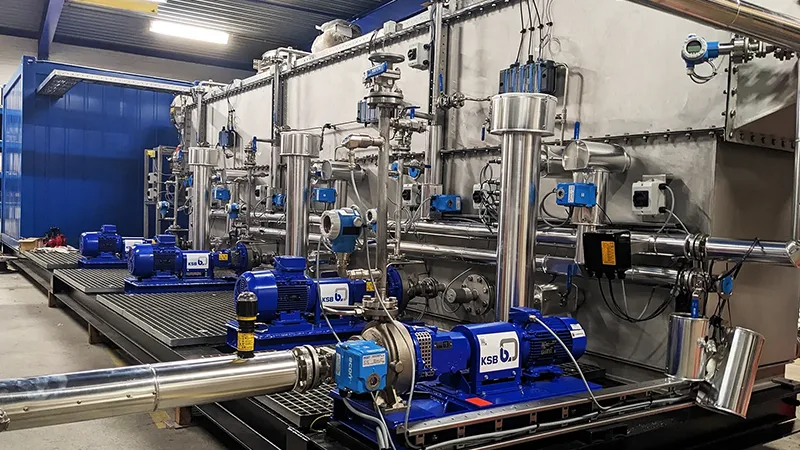
Green ammonia stripping system
- Gas flow
- 16,000 Am³/h
- Temperature
- 70 °C
- Removes
- Ammonia from a liquid flow, recovered as ammonium sulfate
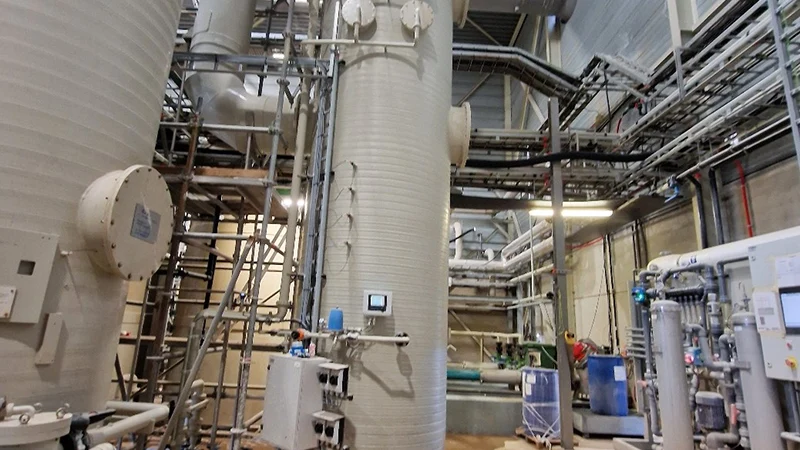
Gas scrubber for biodigesters
- Process
- Manure digestion
- Design
- Scrubbers in sequence
- Removes
- Odor; NH₃, H₂S and DMS expected in the gas
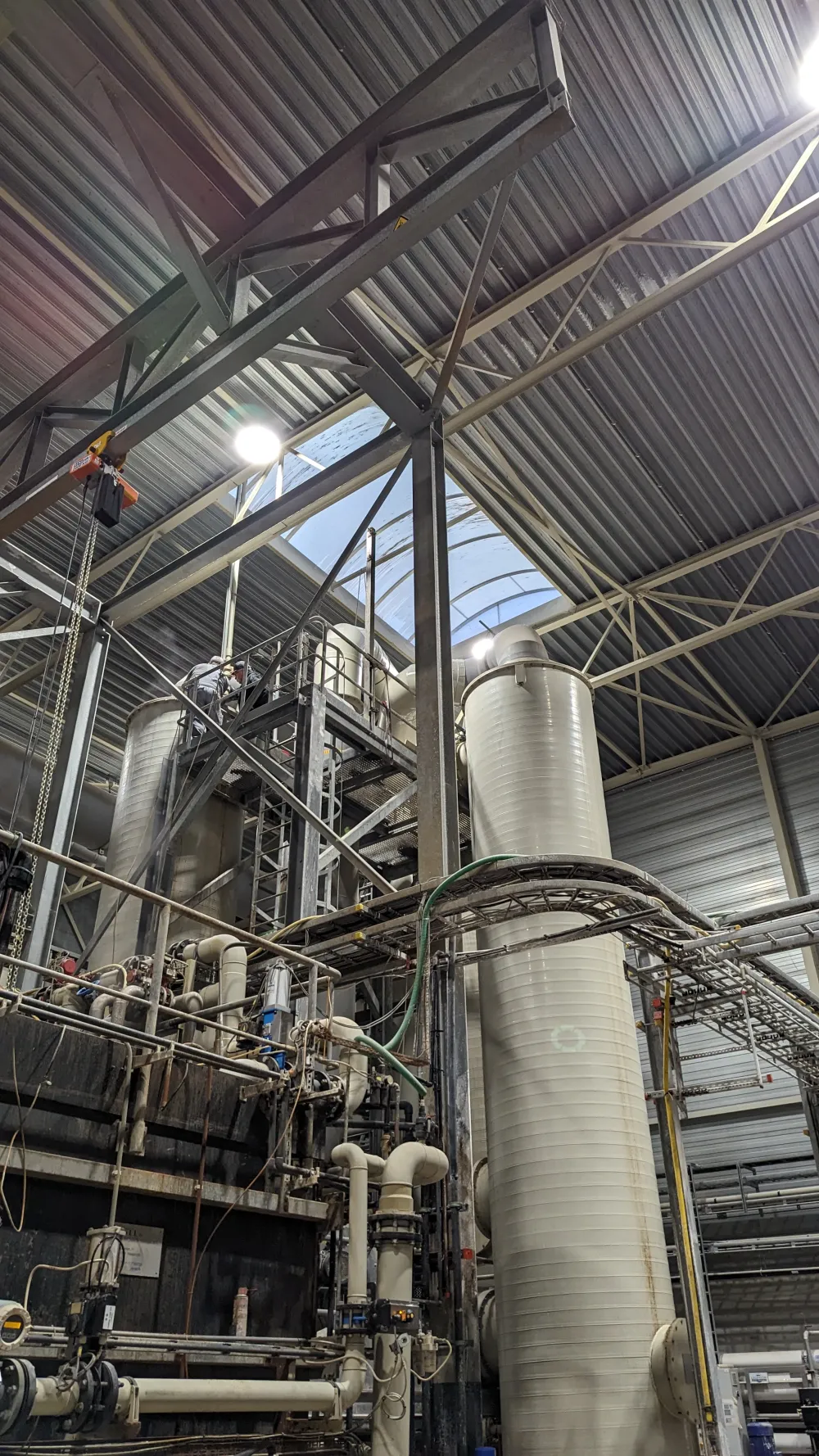
Biogas stripper
- Process
- Biological waste
- Design
- Second absorber, two stages
- Removes
- Upgrade of strippers and absorber to two-stage absorption
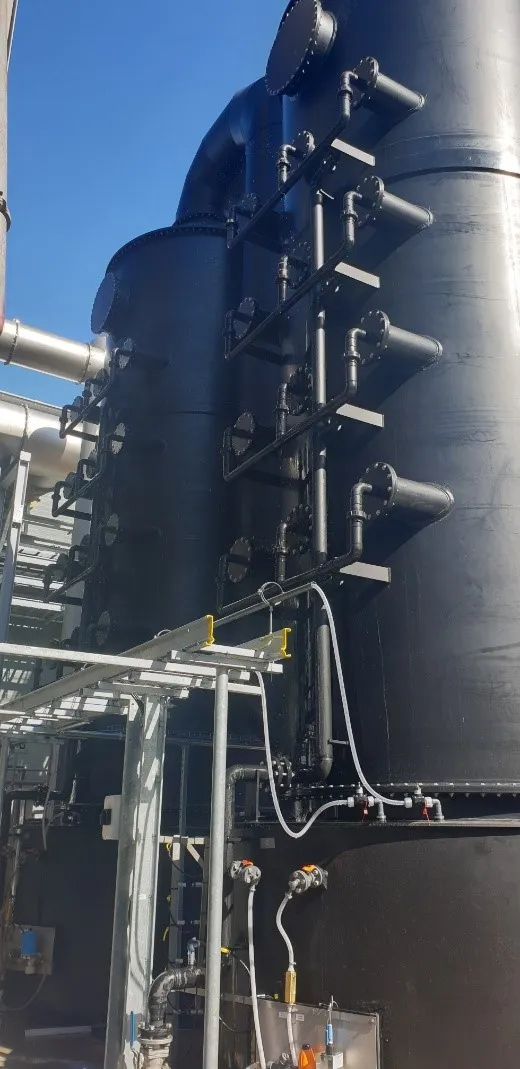
Syngas scrubber
- Gas
- Syngas from gasification
- Inlet
- Below 800 °C
- Removes
- Tar, fine dust, alkali and nitrogen compounds, hydrocarbons
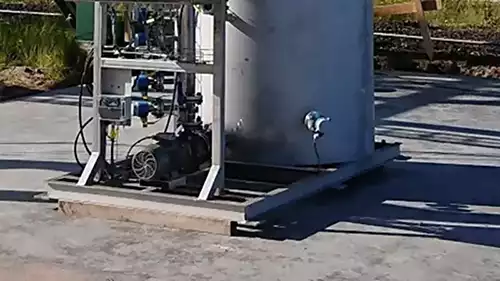
Scrubber for methanol removal
- Gas flow
- 400–1,000 Nm³/h
- Material
- SS316; FRP or PP on request
- Removes
- Methanol vapor, packed column with wire mesh demister
How we build
How we build for green energy
The choices below come straight from the installations above.
Ammonia becomes a product
In the green ammonia system, ammonia is absorbed at about pH 1.5 with sulfuric acid and leaves as ammonium sulfate. A density meter decides when to transfer it.
Closed loop, neutral discharge
The cleaned air goes back to the stripper, so the system runs in a closed loop with a neutral liquid discharge.
Designed against blockages
At a biological waste facility, random packings in the strippers and absorber kept blocking and needed acid flushing. The upgrade adds a second absorber stage.
Syngas fit for use
Wet scrubbing removes tar, dust and other impurities so that syngas can be used in combustion engines or methanisation systems.
Measure and verify
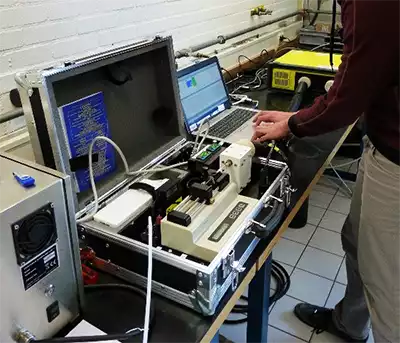
Analysers that control the scrubber
Process analysers can control the installation and show what leaves the stack. In our green energy projects we used FID, PID, FTIR and NDIR analysers and EC sensors. Our own service engineers maintain and calibrate them.
FAQ
Questions from green energy plants
Can you recover ammonia instead of only removing it?
Yes. In our green ammonia stripping system the ammonia is absorbed in sulfuric acid at about pH 1.5 and converted into ammonium sulfate. Once a density meter detects the target concentration, the solution is transferred to storage.
Can a wet scrubber clean syngas?
Wet scrubbing reduces tar, fine dust, alkali and nitrogen compounds and hydrocarbons, so that syngas can be used in combustion engines or methanisation systems.
What about odor from manure digestion?
For a biogas plant that processes manure we developed a gas washing installation. Compounds such as NH₃, H₂S and DMS are expected in that gas.
Why do packed columns block, and what helps?
At a biological waste facility, random packings in the strippers and absorber blocked and had to be flushed with hydrochloric acid. The optimisation added a second absorber for two-stage absorption.
Which analysers do you use?
In our green energy projects: FID, PID, FTIR and NDIR analysers and EC sensors.
What information do you need for a proposal?
Your process, the pollutants and their concentrations, the gas flow and temperature, and the emission limit you have to meet. Send what you have, and we will go through the rest with you. Contact us.